Communication Clarity
Establishing shared vocabulary, regular check-in rhythms, and transparent information sharing protocols that reduce ambiguity in team interactions.
In business contexts, team energy describes collective momentum and collaborative engagement within a workplace group. Our framework provides educational structures and consulting guidance for organizational teams — not personal health, wellness, or clinical services.
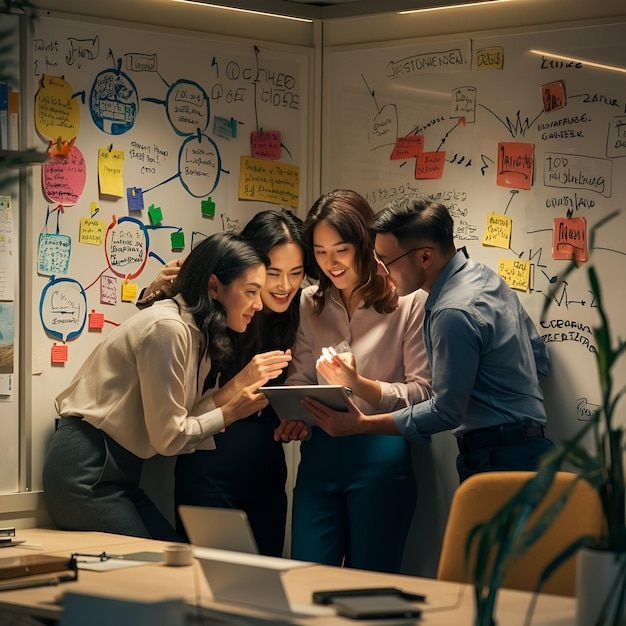
In organizational development, team energy describes the observable patterns of interaction, motivation, and collaborative engagement within a group. It encompasses how team members communicate, share responsibilities, and maintain alignment on shared objectives.
Team collaboration dynamics are not fixed. They shift based on project demands, leadership transitions, organizational changes, and internal communication patterns. Our educational content helps teams recognize these patterns and develop practices that support consistent workplace collaboration.
Scope notice: This content is educational and informational only. It relates exclusively to workplace team collaboration and organizational development. It does not address physical health, medical conditions, personal wellness, or therapeutic treatments of any kind.
Establishing shared vocabulary, regular check-in rhythms, and transparent information sharing protocols that reduce ambiguity in team interactions.
Defining individual contributions within group objectives so each member understands how their work connects to collective team goals.
Creating structured opportunities for constructive feedback that supports continuous improvement in collaborative processes.
Designing regular team activities, reflection sessions, and celebration moments that maintain connection and shared purpose.
We offer several workshop formats designed to accommodate different team sizes, schedules, and development priorities. Each format includes educational components and facilitated discussion periods.
Establish session objectives, review collaboration concepts, and create a comfortable environment for open discussion.
Present relevant frameworks and concepts through interactive materials designed for group learning.
Facilitate structured activities that allow teams to apply concepts to their specific organizational context.
Conclude with group reflection, identification of development priorities, and suggested follow-up actions.
We do not promise or guarantee specific organizational outcomes. Teams that engage consistently with our framework may explore the following development areas. Results depend on team commitment, organizational support, and contextual factors beyond our control.
Improving the structure and productivity of team meetings through clearer agendas and participation guidelines.
Building bridges between departments or project groups that need to coordinate efforts despite different working styles and priorities.
Developing constructive approaches to addressing disagreements and differing perspectives within team settings.
Adapting collaboration practices for distributed teams working across locations and time zones.
Beyond facilitated sessions, we provide educational products that teams can reference independently. These materials reinforce concepts introduced during workshops and support ongoing development efforts.
A comprehensive reference covering framework pillars, suggested exercises, and reflection prompts for team leaders.
Templates, discussion guides, and activity instructions for teams conducting their own development sessions.
The most meaningful team development happens when educational concepts translate into daily habits. Our resources are designed to bridge the gap between workshop insights and everyday collaborative practice.
Our challenge programs provide time-bound activities that encourage consistent team engagement over two to four week periods. Each challenge includes daily or weekly prompts designed to strengthen collaborative habits.
Introduction session explaining challenge objectives, participation guidelines, and expected time commitments.
Teams complete structured activities, share reflections, and track engagement through provided materials.
Optional facilitated conversation to address questions, adjust pace, and maintain team motivation.
Final session to reflect on experiences, identify sustained practices, and plan continued development.
Contact us to learn more about our framework, workshop formats, and educational programs tailored to your organizational needs.
Request Information